Netflix's Staggered Release: A New Chapter for Streaming?
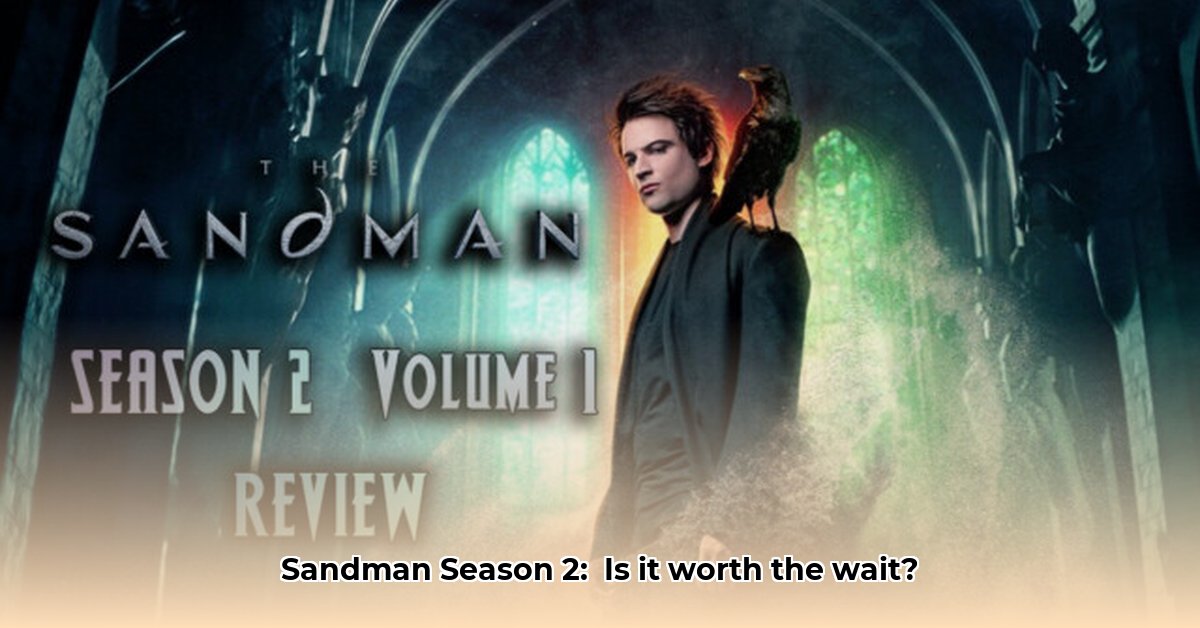
Netflix is shaking things up with The Sandman Season 2, ditching their usual "drop everything at once" strategy for a staggered release across July 2024. This three-part rollout has sparked much debate, prompting questions about viewer engagement, marketing strategies, and the future of streaming. Let's delve into the details and analyse this unconventional approach.
The Sandman Season 2 Rollout: A Three-Act Structure
Forget the typical binge-watching experience; Netflix is serving The Sandman Season 2 in three distinct acts:
- Act One: July 3rd, 2024: Six episodes – enough for a good weekend's viewing.
- Act Two: July 24th, 2024: Five more episodes arrive, building suspense and anticipation.
- Act Three: July 31st, 2024: The season concludes with a bonus episode, a delightful extra for devoted fans.
This approach differs significantly from Netflix's standard practice, raising several key questions about viewer behaviour and engagement. Will a more drawn-out release maintain viewer interest? The data will be crucial in assessing the success of this strategy.
Netflix's Reasoning: A Calculated Risk?
Why the change? While Netflix hasn't explicitly stated their reasons, several possibilities exist. It could be an experiment to prolong the show's presence in the cultural conversation, keeping it trending longer. It might also be a tactic to manage viewer expectations and avoid the rapid decline in viewership often associated with binge-watching. Moreover, it allows for data-driven adjustments based on viewer response to the first few episodes. This staggered release might well be a calculated gamble to maximise audience engagement and impact.
Winners and Losers: Assessing the Impact
This unconventional release strategy presents both opportunities and challenges for various stakeholders:
| Stakeholder | Potential Upsides | Potential Downsides |
|---|---|---|
| Netflix | Extended media buzz, increased viewer data, potential subscription boost. | Risk of waning viewer interest, negative feedback from those preferring binge-watching. |
| Viewers | Reduced binge-watching fatigue, more time for discussion, less exposure to spoilers (potentially). | Frustration from waiting, increased risk of spoilers online, potential dampening of overall enthusiasm. |
| Neil Gaiman & Team | Extended media engagement, adaptability based on viewer feedback. | Uncertainty regarding overall impact, potential loss of viewers due to delayed gratification. |
The Million-Rand Question: Will it Work?
This release strategy is a significant departure from Netflix's usual model. It's a bold experiment that could reshape future release strategies for other shows. The success or failure of this approach hinges on maintaining viewer engagement across the three-part release. "This isn't just about the numbers," says Dr. Anya Sharma, Media Studies Professor at Stellenbosch University, "It’s about understanding how audiences respond to this altered consumption pattern. The data gathered will be invaluable for understanding the future of streaming." The impact on viewership will be closely monitored and scrutinised by industry analysts, influencing future streaming strategies across the globe. Only time will tell if this novel approach proves to be a masterstroke or a miscalculation. The upcoming months should provide valuable insights into the effectiveness of this strategy.
A New Era for Streaming?
Netflix's move with The Sandman Season 2 isn't just about this one show; it's a test of a new streaming paradigm. Will other platforms follow suit? How will audiences adapt? The implications reach far beyond the magical realm of The Sandman. This approach could be a game-changer, or it could fade into obscurity – demonstrating the unpredictability of viewer behaviour in the always-evolving digital landscape. The coming months will reveal whether this strategy creates a new benchmark for future streaming releases.